
What Are Adrenal Disorders?
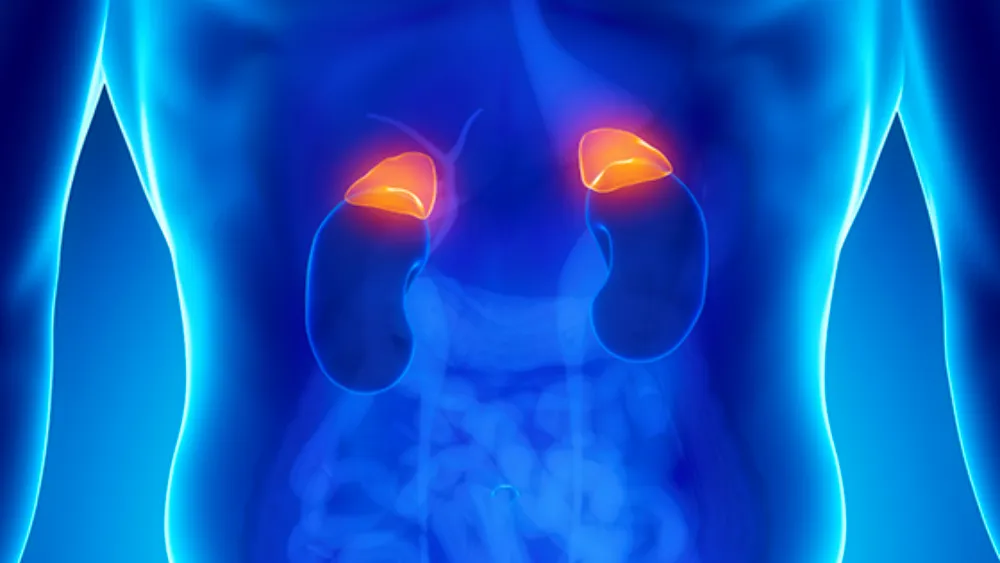
The adrenal glands sit above the kidneys and produce vital hormones such as cortisol, aldosterone and adrenaline. Disorders can cause blood-pressure problems, fatigue, weight change and salt imbalance. Dr. K.S. Ranganayakulu evaluates and manages the full range of adrenal conditions - including Addison's disease, Cushing's syndrome, pheochromocytoma, primary hyperaldosteronism and adrenal incidentalomas - using dynamic hormone testing and multidisciplinary care.
Adrenal conditions are uncommon, easily missed and heavily dependent on correctly-timed testing. Dr. K.S. Ranganayakulu performs dynamic hormone testing - short synacthen, suppression and stimulation tests - the way it is done in UK endocrine units, so a diagnosis is confirmed rather than assumed.
Symptoms & Signs
- Persistent fatigue & weakness
- Unexplained high or low blood pressure
- Weight gain or loss with body changes
- Skin darkening or easy bruising
- Salt cravings, dizziness on standing
- Palpitations & episodic sweating
Causes & Risk Factors
- Autoimmune adrenal failure (Addison's)
- Adrenal or pituitary tumours
- Excess or deficient cortisol production
- Genetic & rare adrenal conditions
- Incidental adrenal nodules on scans
Diagnosis & Tests
- Short synacthen & dynamic hormone tests
- Cortisol, aldosterone & renin testing
- Adrenal CT / MRI imaging
- Adrenal vein sampling where needed
- 24-hour urine hormone studies
Treatment Approach
- Hormone replacement (steroids) for insufficiency
- Medical management of hormone excess
- Coordinated surgical referral for tumours
- Blood-pressure & electrolyte control
- Long-term monitoring & emergency guidance
The Full Range of Adrenal Disease
From hormone deficiency to hormone excess and incidental nodules - each needs a different test sequence and a different treatment plan.
Addison's Disease
Adrenal insufficiency causing fatigue, weight loss, low blood pressure, salt craving and skin darkening. Needs steroid replacement and an emergency plan.
Cushing's Syndrome
Cortisol excess causing weight gain around the trunk and face, easy bruising, thin skin, diabetes and high blood pressure.
Pheochromocytoma
A rare tumour releasing adrenaline - episodic palpitations, sweating, headache and hard-to-control blood pressure. Confirmed on urine and blood tests.
Primary Hyperaldosteronism
A treatable cause of resistant high blood pressure and low potassium, confirmed with aldosterone–renin testing and adrenal vein sampling.
Adrenal Incidentaloma
A nodule found by chance on a scan. Checked for hormone production and imaging features to decide between follow-up and surgery.
Congenital Adrenal Hyperplasia
An inherited enzyme defect presenting with irregular periods, excess hair or fertility problems in adults. Managed with tailored steroid dosing.
Specialist Adrenal Assessment in Kondapur
UK CCT-Certified
Certificate of Completion of Training in Diabetes & Endocrinology from the UK.
22 Years' Experience
Six years of specialty training at the Yorkshire Deanery and a Consultant post in Leeds, UK.
Accurate Diagnosis First
Correctly-timed hormone tests and imaging before treatment - never a prescription on a hunch.
Evidence-Based Treatment
Plans built on current international guidelines, adapted to your body, budget and routine.
Long-Term Follow-Up
Structured reviews that adjust the plan as your results change, rather than repeat prescriptions.
Time to Explain
Every report explained in plain language - in English, Telugu or Hindi - so you know why each medicine is there.
Adrenal Disorders - Common Questions
It is an adrenal nodule found by chance on a scan done for another reason. Most are harmless, but hormone testing and imaging review are needed to decide whether follow-up or surgery is required.
It is a lifelong condition needing steroid replacement, but with correct treatment, sick-day rules and an emergency injection plan, people live full, healthy lives.
Yes - hyperaldosteronism and pheochromocytoma both cause hard-to-control blood pressure, and specific tests can identify them. Both are potentially curable.
Through carefully-timed blood and urine hormone tests, dynamic stimulation or suppression tests and imaging - an area of Dr. K.S. Ranganayakulu's special expertise.
Often yes. Several blood-pressure tablets, steroids and hormonal medicines interfere with adrenal tests, so you will be told exactly what to pause and for how long.