
What Are Pituitary Disorders?
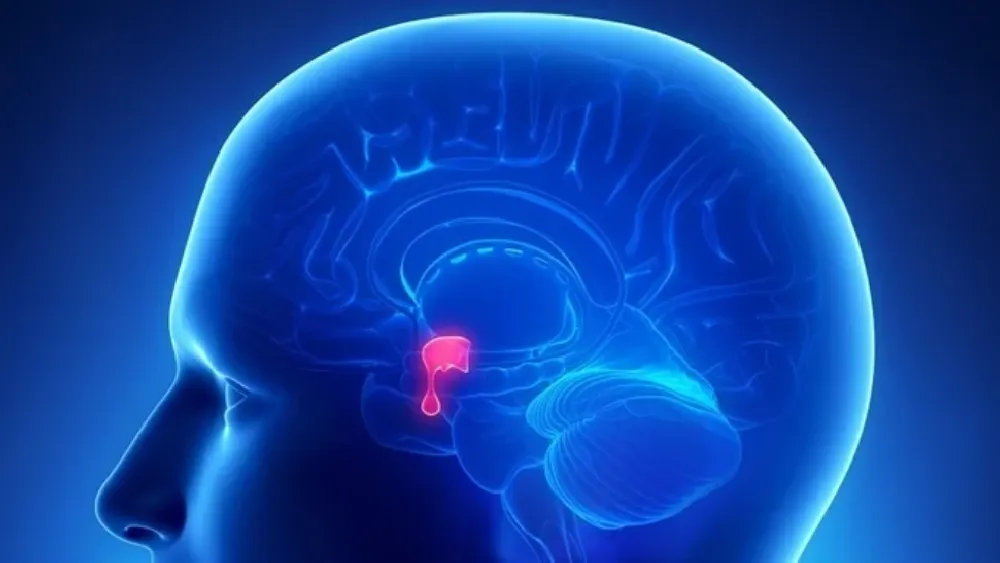
The pituitary is the body's 'master gland', controlling growth, metabolism, reproduction and other hormone glands. Pituitary disorders can cause a wide range of symptoms depending on which hormones are affected. Dr. K.S. Ranganayakulu manages hypopituitarism, non-functioning adenomas, acromegaly, Cushing's disease, prolactinomas and diabetes insipidus - with dynamic hormone testing, MRI, visual-field assessment and neurosurgical coordination.
The pituitary controls the thyroid, adrenal, growth and reproductive hormones, so a single small tumour can cause symptoms all over the body. Care combines full hormone profiling, MRI review and visual field testing, with neurosurgical input arranged when an operation is the right answer.
Symptoms & Signs
- Persistent headaches or vision changes
- Unexplained fatigue & low libido
- Changes in hands, feet or facial features
- Irregular periods or milk discharge
- Excessive thirst & urination
- Slowed growth or hormone imbalance
Causes & Risk Factors
- Benign pituitary tumours (adenomas)
- Hormone over- or under-production
- Head injury or previous surgery
- Inflammation of the pituitary
- Genetic & congenital causes
Diagnosis & Tests
- Full pituitary hormone profile
- Dynamic endocrine stimulation tests
- MRI of the pituitary gland
- Visual field testing
- Coordinated specialist review
Treatment Approach
- Hormone replacement for deficiencies
- Medication for prolactinomas & acromegaly
- Monitoring of adenomas over time
- Neurosurgical referral where appropriate
- Management of diabetes insipidus
Master Gland Problems, Precisely Managed
Almost all pituitary tumours are benign. The work is in identifying which hormones are affected and treating the cause, not just the scan finding.
Prolactinoma
Raised prolactin causing irregular periods, milk discharge, low libido or infertility. Usually controlled with tablets alone - surgery is rarely needed.
Acromegaly
Growth hormone excess causing enlarging hands, feet and facial features, along with diabetes, sleep apnoea and joint pain.
Hypopituitarism
Under-production of one or more pituitary hormones after a tumour, surgery, radiotherapy or head injury - replaced hormone by hormone.
Cushing's Disease
An ACTH-producing pituitary tumour driving cortisol excess. Diagnosis needs careful dynamic testing before any surgery is planned.
Non-functioning Adenoma
A tumour that makes no hormone but can press on the optic nerves. Monitored with MRI and visual fields, with surgery when it grows.
Diabetes Insipidus
Excessive thirst and urination from a water-balance hormone problem - unrelated to blood sugar and well controlled with treatment.
Pituitary Expertise in Kondapur
UK CCT-Certified
Certificate of Completion of Training in Diabetes & Endocrinology from the UK.
22 Years' Experience
Six years of specialty training at the Yorkshire Deanery and a Consultant post in Leeds, UK.
Accurate Diagnosis First
Correctly-timed hormone tests and imaging before treatment - never a prescription on a hunch.
Evidence-Based Treatment
Plans built on current international guidelines, adapted to your body, budget and routine.
Long-Term Follow-Up
Structured reviews that adjust the plan as your results change, rather than repeat prescriptions.
Time to Explain
Every report explained in plain language - in English, Telugu or Hindi - so you know why each medicine is there.
Pituitary Disorders - Common Questions
Almost all pituitary tumours are benign adenomas. Treatment focuses on controlling hormone levels and relieving any pressure on nearby structures.
Yes - most prolactinomas respond very well to tablets alone, which usually shrink the tumour and restore normal hormone levels and fertility.
It is unrelated to blood sugar. A hormone that controls water balance is deficient, causing heavy urination and constant thirst - it responds well to treatment.
Pituitary tumours sit just below the nerves for vision. The test shows whether the tumour is affecting your sight and helps decide the timing of surgery.
Sometimes. Hormone levels are re-tested after surgery and only the deficient hormones are replaced, with long-term follow-up to adjust doses.