
What Are Bone & Calcium Disorders?
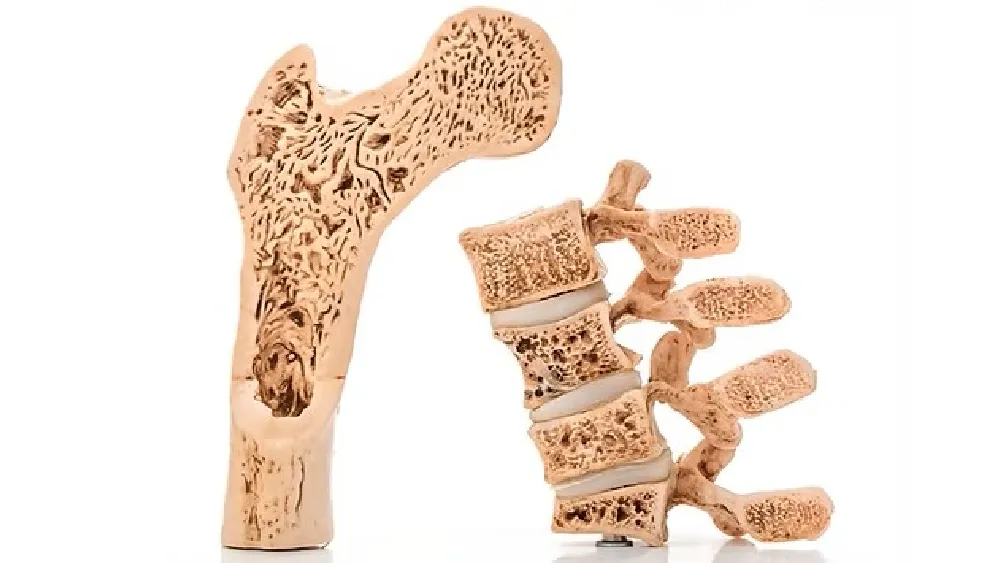
Bone and calcium disorders - including osteoporosis, vitamin D deficiency and parathyroid problems - weaken bones and disturb the body's calcium balance, raising the risk of fractures. Dr. K.S. Ranganayakulu offers complete assessment with DEXA scanning and blood tests, and treats osteoporosis, hyper- and hypoparathyroidism, vitamin D deficiency and Paget's disease to protect long-term bone health.
Bone loss is silent until a fracture happens - and after the first fracture the risk of the next one rises sharply. Assessment here combines DEXA scanning, calcium and vitamin D chemistry and parathyroid testing, so treatment targets the actual cause of the bone loss.
Symptoms & Signs
- Bone or back pain
- Loss of height or stooped posture
- Fractures from minor falls
- Muscle weakness & cramps
- Fatigue & low mood (vitamin D)
- Kidney stones (calcium imbalance)
Causes & Risk Factors
- Ageing & post-menopausal hormone loss
- Vitamin D & calcium deficiency
- Overactive parathyroid glands
- Long-term steroid use
- Family history & low body weight
Diagnosis & Tests
- DEXA bone density scan
- Calcium, vitamin D & PTH testing
- Kidney & bone chemistry tests
- Imaging for parathyroid glands
- Fracture-risk assessment
Treatment Approach
- Calcium & vitamin D optimisation
- Bone-strengthening medication
- Management of parathyroid disorders
- Lifestyle & fall-prevention advice
- Coordinated surgical referral where needed
Bone, Calcium & Parathyroid Disorders
Strong bones depend on calcium, vitamin D, parathyroid hormone and sex hormones working together - each is checked before treatment is chosen.
Osteoporosis
Thinning bones that fracture with minor falls. Treated with bone-strengthening medication, calcium, vitamin D and fall-prevention advice.
Vitamin D Deficiency
Extremely common in India - causing bone and muscle pain, fatigue and weakness. Corrected with proper loading and maintenance dosing.
Hyperparathyroidism
Overactive parathyroid glands raising calcium - leading to kidney stones, bone loss, fatigue and low mood. Often curable with surgery.
Hypoparathyroidism
Low calcium causing cramps, tingling and spasms, often after neck surgery. Managed with calcium, active vitamin D and careful monitoring.
Steroid-Induced Bone Loss
Bone thinning caused by long-term steroid treatment - prevented and treated proactively rather than after a fracture.
Paget's Disease & Rare Bone Disease
Abnormal bone remodelling causing pain and deformity, plus other uncommon metabolic bone conditions.
Bone Health Care in Kondapur
UK CCT-Certified
Certificate of Completion of Training in Diabetes & Endocrinology from the UK.
22 Years' Experience
Six years of specialty training at the Yorkshire Deanery and a Consultant post in Leeds, UK.
Accurate Diagnosis First
Correctly-timed hormone tests and imaging before treatment - never a prescription on a hunch.
Evidence-Based Treatment
Plans built on current international guidelines, adapted to your body, budget and routine.
Long-Term Follow-Up
Structured reviews that adjust the plan as your results change, rather than repeat prescriptions.
Time to Explain
Every report explained in plain language - in English, Telugu or Hindi - so you know why each medicine is there.
Bone & Calcium Disorders - Common Questions
Post-menopausal women, older adults, people on long-term steroids and anyone who has had a fracture from a minor fall benefit from a DEXA scan.
It is very common and causes tiredness, bone and muscle pain and weaker bones. It is easily corrected with the right loading dose followed by maintenance.
Yes - effective medicines, along with calcium, vitamin D and lifestyle changes, strengthen bone and substantially reduce fracture risk.
It controls calcium levels in the blood. Overactivity raises calcium and can damage bones and kidneys; specific blood tests confirm the diagnosis.
Typically several years, with a planned review. Treatment length depends on your DEXA result, fracture history and response - it is reassessed, not continued blindly.